
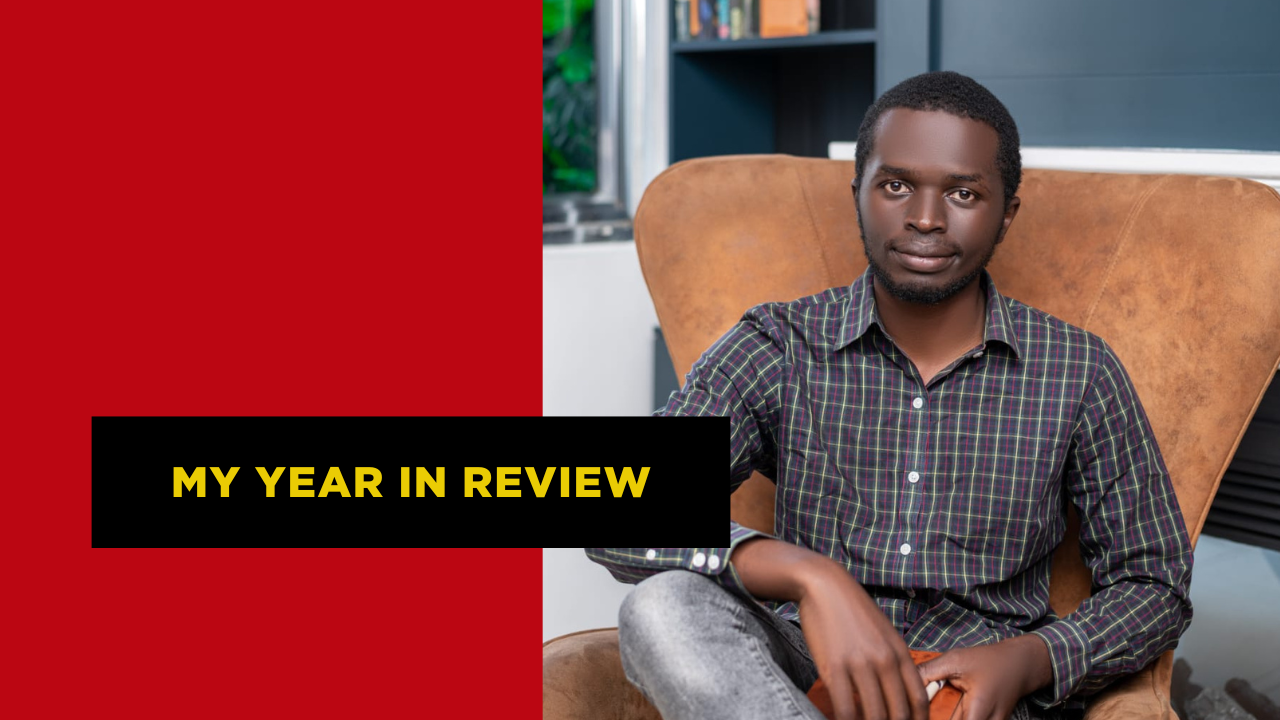
As a substance addiction counselor based in Kenya, my mission has always been to educate and support parents with children affected by substance addiction, and to provide the tools and guidance needed to overcome these challenges. When I began this work, I knew addiction was a crisis affecting individuals. What I did not fully grasp then what the years have since revealed is that addiction is a family condition. The effects travel through homes, relationships, routines, identities, and futures. In 2025, those felt more like waves. This year carried a heavier emotional and societal weight. Economic strain, political uncertainty, and social pressure intensified stress in many households. More young people turned to substances not out of curiosity, but out of distress. Weed, alcohol, prescription pills, and other substances continued to offer a quiet promise to overwhelmed youth as a moment of calm, belonging, or escape. But too often, the outcome was chaos, not peace. The painful truth that stood out this year is that young people are not simply choosing substances, they are responding to unmet emotional needs, unresolved trauma, and systems that fail to support them early enough. For parents, 2025 was the year of silent endurance. Many carried the shame of stigma, the confusion of navigating a system with limited adolescent addiction care pathways, and the heartbreak of watching a child they love become someone they can no longer reach. I spent countless hours in rooms and conversations where parents whispered truths they feared saying aloud that they felt guilty, that they felt alone, that they felt they had failed, and that they were terrified of losing the child behind the addiction. Those moments reminded me that judgment has never healed anyone, but honesty has opened every door to recovery. I continued to specialize in working directly with parents, offering compassionate support and expert strategies to navigate this difficult journey. Through one-on-one counseling, educational workshops, and community support groups, my goal remained the same: to empower parents with knowledge, restore their confidence, and equip them with tools that rebuild connection in their homes. What shifted this year was the urgency. Parents needed not just strategies, but reassurance. Not just psychoeducation, but safety. Not just facts about addiction, but language to understand pain, behavior, nervous systems, and trauma. Healing began when parents stopped asking only, “Why is my child doing this?” and started asking, “What might my child be coping with?” I witnessed progress too glimmers of it, steady and real. Parents who once arrived defeated began to advocate. Homes once filled with shouting began to make space for listening. Mothers and fathers who feared saying “addiction” began to say “treatment.” Families once fractured began to rebuild rituals. And young people who had felt unreachable slowly began to surface again, not fully healed, but finally seen. These were quiet revolutions and the kind that shift generations. I understand the burden substance abuse places on families, and I do this work because I know no parent should carry it without support. Addiction recovery is not linear, not neat, not predictable. It lives in the in-between moments in the relapses, the breakthroughs, the misunderstandings, the rebuilding, the grief, and the hope. And 2025 taught me that those in-between moments are where healing actually happens when families have the right support holding them through the process. As the year ends, I remain committed to offering personalized and effective care. I believe in science, but I trust compassion. I believe in intervention, but I know prevention begins long before the first substance is ever used by addressing trauma, emotional regulation, safe belonging, and supported homes. My work is not just to help parents respond to addiction, but to help families build environments where despair has fewer places to hide. Whether you are a parent searching for answers, an educator hoping to understand youth behavior, or a partner looking to strengthen community care, I want you to know that recovery is not just possible and it is relational. It happens in families, in safe conversations, in regulated nervous systems, in community, in culture, and in consistent care. When parents are empowered, children have a chance to heal too. Here’s to 2026, a year where we treat pain with care, stigma with truth, families with dignity, and young minds with the belief that they are worth saving long before substances ever try to convince them otherwise.
What is Drug Addiction?
According to the Diagnostic Statistical Manual(DSM-5), addiction is defined as compulsive seeking of maladaptive behaviour/substances despite the negative consequences experienced by the user. It is estimated that around 1% of the global population suffers from at least one drug addiction. So, what factors lead to this? Predisposing factors may vary from individual however, commonalities apply including; Consists of genes passed down from family generations and accounts for about 50% of addiction predisposition(nature vs nurture). It is often detected through patient history-taking by a qualified psychologist. 2.Environment- Part of the nature vs nurture framework, this explains an individual’s interactions with their immediate surroundings. Family usage of drugs, media, peer pressure, poor parenting, trauma also contribute to drug addiction. 3. Mental Health Co-occurring disorders like depression, bipolar, anxiety, attention-deficit/hyperactivity disorder(ADHD) and post-traumatic stress disorder contribute to substance addiction. The individual tries to cope with their conditions by abusing substances. Consequently. The victim undergoes addiction and the underlying mental disorder(s), leading to comorbidity. 4. Treatment Abuse of prescription drugs creates dependency, a sign of drug addiction. Lack of access to psychological treatment can increase susceptibility towards addiction. What Causes Drug Dependency? Several parts of the brain are involved in creating and maintaining behavioural patterns. Parts like the ventral tegmental area(VTA), hippocampus, hypothalamus and the amygdala all work in harmony to create the ‘reward system’. This reward system is responsible for continuous reward seeking, mostly through hobbies. Long-term use of substances hijacks this system leading to reduced production of dopamine(reward-seeking hormone) and serotonin(feel-good hormone). To curb this, measures put in place should prioritise the psychological changes caused by substance addiction. Treatment and Intervention Drug addiction, like other major chronic ailments, has no cure. Fortunately, it can be treated and successfully managed through use of psychotherapy techniques and medication(pharmacotherapy). Addiction prevention is also part of the intervention strategy set to contain this condition for example, educating the masses on drug addiction will help in both containing and destigmatising the condition. Conclusion Drug addiction continues to affect millions of individuals and their families, with the majority gaining little access to treatment and care. As an addiction counsellor, I strive to aid in the fight against drug addiction, as well as sharing knowledge of its prevention to all.
My Work Life
I draw my sense of purpose & contentment in the humdrums of my work. From the casual interactions with clients, to answering questions posed by their curious relatives, these seemingly normal contacts truly define my career. They challenge me in the simplest yet most effective of ways- keeping me on toes and building the defining traits needed for an addiction counsellor. A query I often encounter in my interactions is, ‘how do you do it?’ My line of work, like everyone else’s, has stereotypes like ‘counsellors are all-knowing, angel-personified beings’. Understandably, this notion leads society to hold me and fellow professionals in high regard. Navigating life with such an expectation would have been cumbersome except, the stereotype is false and my imperfect life is proof. Parents and their kin have to swallow a bitter pill prior to accepting change. That transition is rough, dramatic and at times painful and leading them through this takes patience, empathy and compassion. These core traits cannot be built by living perfect lives, but by living life as is- building resilience and self growth. This is how I do it. Helping parents and their children reclaim their lives from addiction. As we usher in the month of love, let’s learn to love and embrace life’s imperfections. Happy February!