
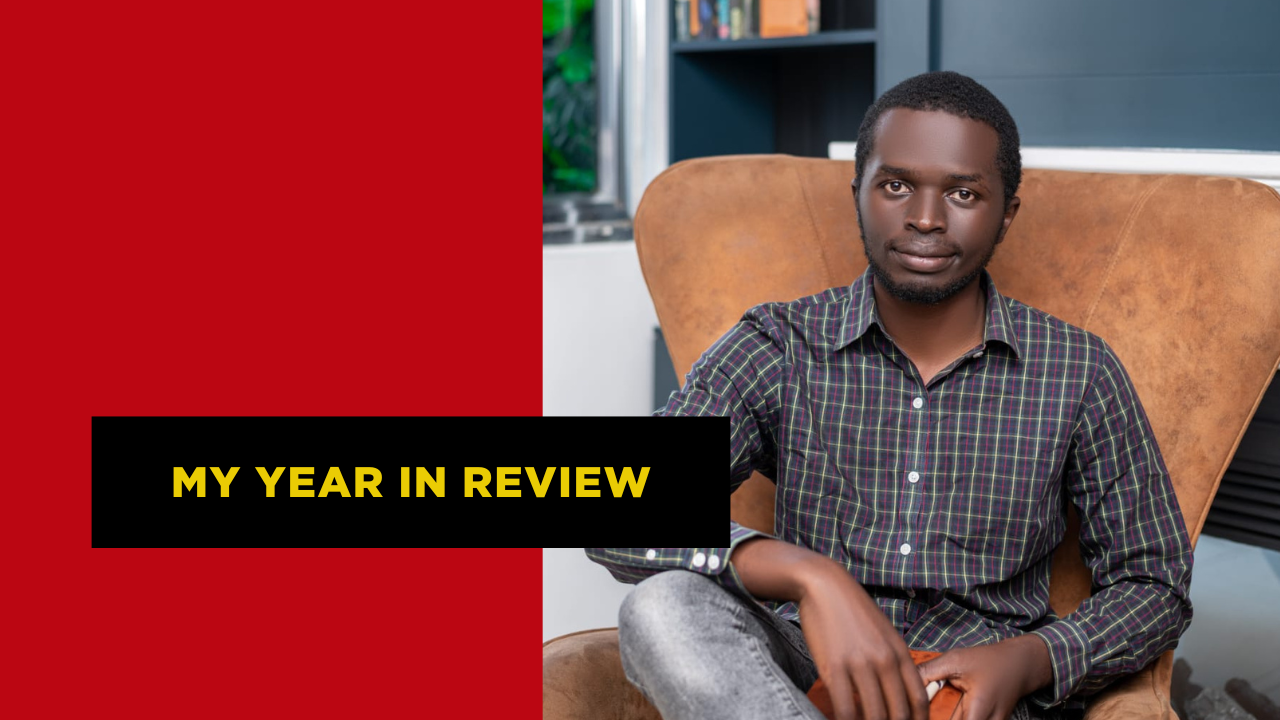
As a substance addiction counselor based in Kenya, my mission has always been to educate and support parents with children affected by substance addiction, and to provide the tools and guidance needed to overcome these challenges. When I began this work, I knew addiction was a crisis affecting individuals. What I did not fully grasp then what the years have since revealed is that addiction is a family condition. The effects travel through homes, relationships, routines, identities, and futures. In 2025, those felt more like waves.
This year carried a heavier emotional and societal weight. Economic strain, political uncertainty, and social pressure intensified stress in many households. More young people turned to substances not out of curiosity, but out of distress. Weed, alcohol, prescription pills, and other substances continued to offer a quiet promise to overwhelmed youth as a moment of calm, belonging, or escape. But too often, the outcome was chaos, not peace. The painful truth that stood out this year is that young people are not simply choosing substances, they are responding to unmet emotional needs, unresolved trauma, and systems that fail to support them early enough.
For parents, 2025 was the year of silent endurance. Many carried the shame of stigma, the confusion of navigating a system with limited adolescent addiction care pathways, and the heartbreak of watching a child they love become someone they can no longer reach. I spent countless hours in rooms and conversations where parents whispered truths they feared saying aloud that they felt guilty, that they felt alone, that they felt they had failed, and that they were terrified of losing the child behind the addiction. Those moments reminded me that judgment has never healed anyone, but honesty has opened every door to recovery.
I continued to specialize in working directly with parents, offering compassionate support and expert strategies to navigate this difficult journey. Through one-on-one counseling, educational workshops, and community support groups, my goal remained the same: to empower parents with knowledge, restore their confidence, and equip them with tools that rebuild connection in their homes. What shifted this year was the urgency. Parents needed not just strategies, but reassurance. Not just psychoeducation, but safety. Not just facts about addiction, but language to understand pain, behavior, nervous systems, and trauma. Healing began when parents stopped asking only, “Why is my child doing this?” and started asking, “What might my child be coping with?”
I witnessed progress too glimmers of it, steady and real. Parents who once arrived defeated began to advocate. Homes once filled with shouting began to make space for listening. Mothers and fathers who feared saying “addiction” began to say “treatment.” Families once fractured began to rebuild rituals. And young people who had felt unreachable slowly began to surface again, not fully healed, but finally seen. These were quiet revolutions and the kind that shift generations.
I understand the burden substance abuse places on families, and I do this work because I know no parent should carry it without support. Addiction recovery is not linear, not neat, not predictable. It lives in the in-between moments in the relapses, the breakthroughs, the misunderstandings, the rebuilding, the grief, and the hope. And 2025 taught me that those in-between moments are where healing actually happens when families have the right support holding them through the process.
As the year ends, I remain committed to offering personalized and effective care. I believe in science, but I trust compassion. I believe in intervention, but I know prevention begins long before the first substance is ever used by addressing trauma, emotional regulation, safe belonging, and supported homes. My work is not just to help parents respond to addiction, but to help families build environments where despair has fewer places to hide.
Whether you are a parent searching for answers, an educator hoping to understand youth behavior, or a partner looking to strengthen community care, I want you to know that recovery is not just possible and it is relational. It happens in families, in safe conversations, in regulated nervous systems, in community, in culture, and in consistent care. When parents are empowered, children have a chance to heal too.
Here’s to 2026, a year where we treat pain with care, stigma with truth, families with dignity, and young minds with the belief that they are worth saving long before substances ever try to convince them otherwise.